
Supplements · Plain answers
Greens Powder or Real Greens? AG1 vs a Plate of Veggies
One scoop of AG1 has 2 grams of fiber. See how that stacks up against broccoli, apples and beans, and how to eat more plants on a busy week.
HealthStylz Editors
· 4 min read
The short version
- One AG1 scoop has 2 grams of fiber, 7% of daily need.
- A cup of black beans has 7.5 times that fiber.
- Use a scoop as a top-up, never a swap.
As of Oct 11, 2026: AG1 Next Gen product page and Supplement Facts
See it up close

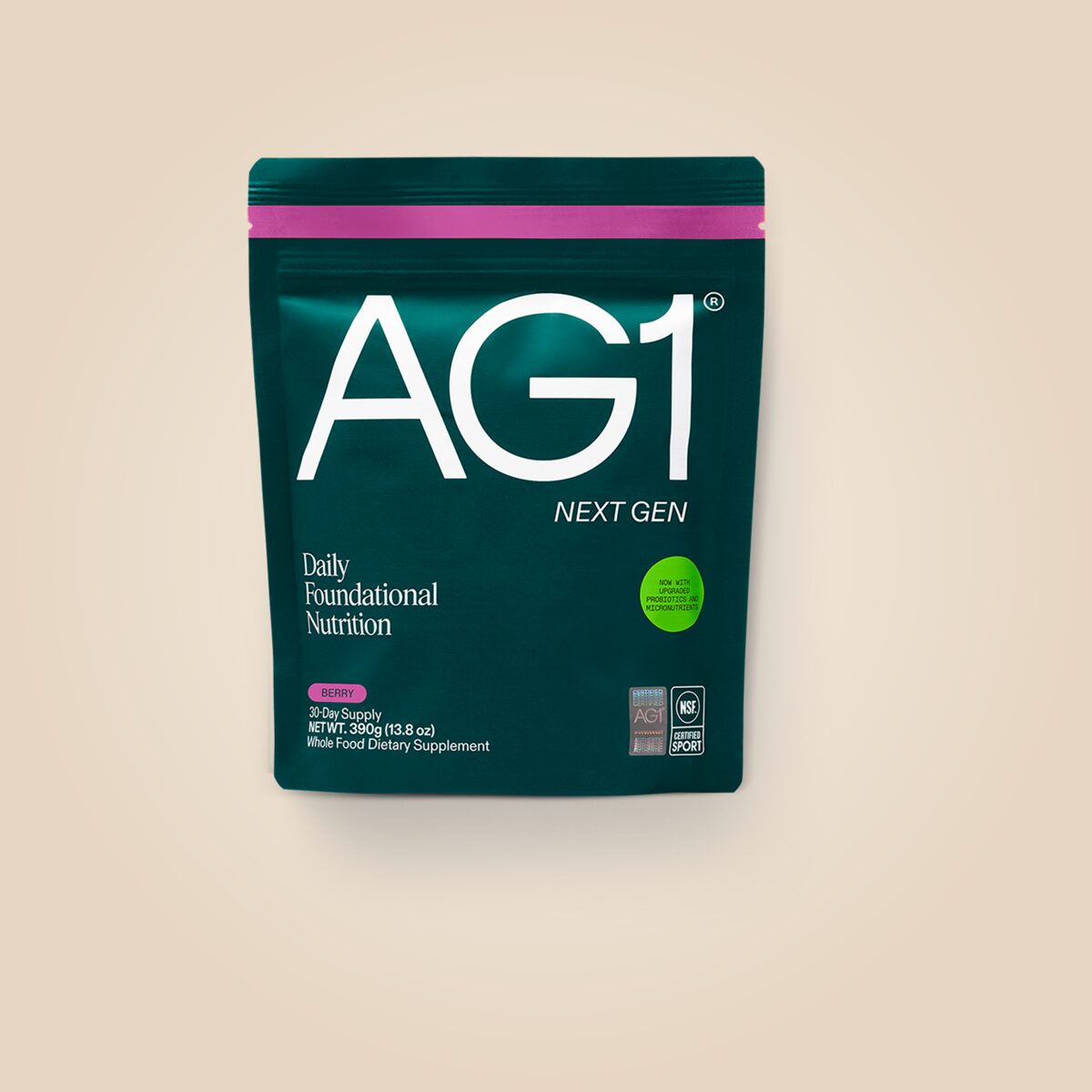
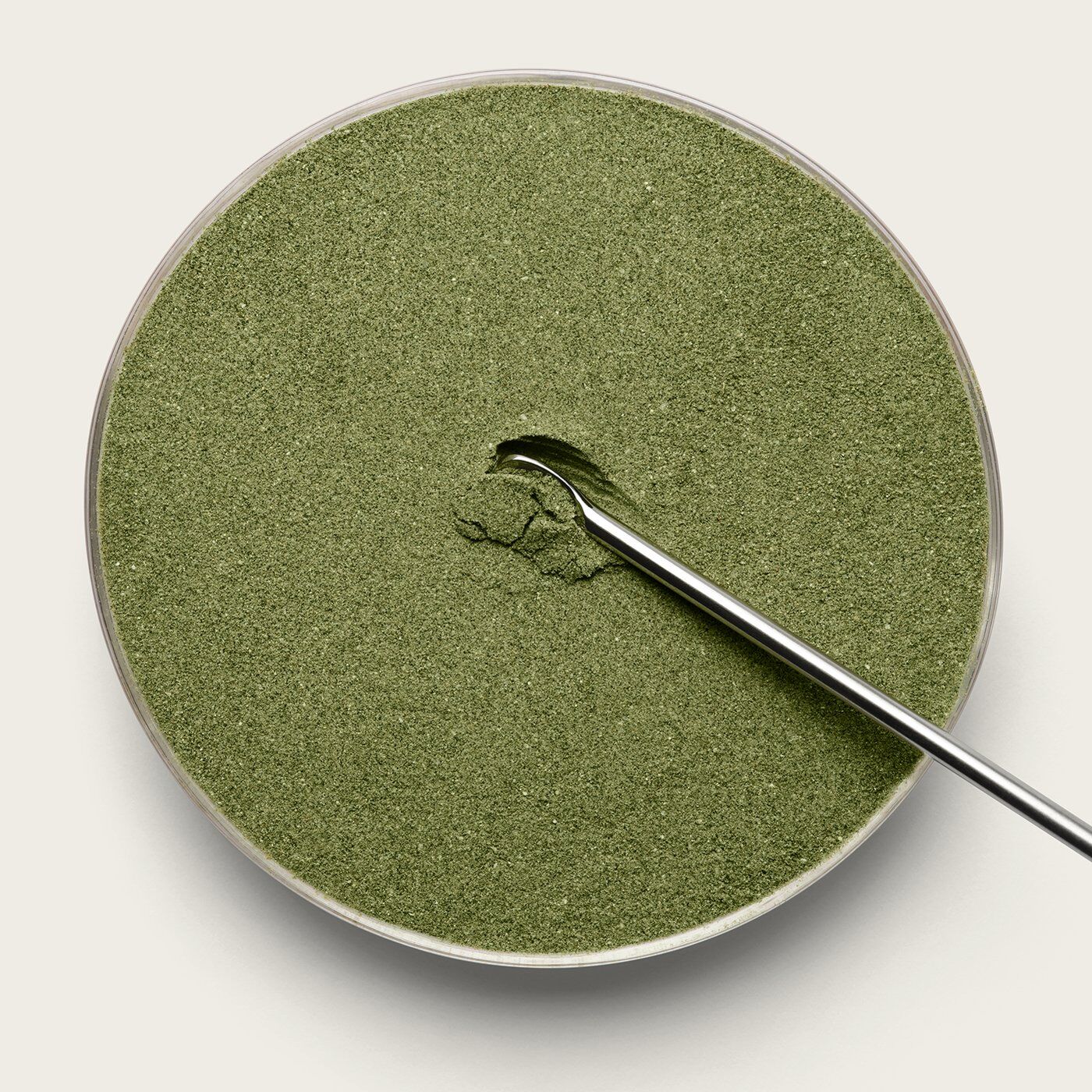
HealthStylz may earn a commission on purchases made through links on this page.
The numbers
A cup of black beans has 7.5 times the fiber of a scoop of AG1
15 g against 2 g. The scoop covers 7% of the 28 g daily fiber target.
grams of fiber per serving · line marks 28 g daily target
- Spinach1 cup raw (30 g) 0.7 g
- Kale1 cup raw (21 g) 0.9 g
- AG1 scoop13 g 2 g
- Broccoli1 cup chopped (91 g) 2.4 g
- Apple1 medium (182 g) 4.4 g
- Lentils1/2 cup cooked (99 g) 7.8 g
- Black beans1 cup cooked (172 g) 15 g
Tap, hover or use the arrow keys on a row for the exact figure.
See the numbers
| Item | grams of fiber per serving |
|---|---|
| Spinach 1 cup raw (30 g) | 0.7 g |
| Kale 1 cup raw (21 g) | 0.9 g |
| AG1 scoop 13 g | 2 g |
| Broccoli 1 cup chopped (91 g) | 2.4 g |
| Apple 1 medium (182 g) | 4.4 g |
| Lentils 1/2 cup cooked (99 g) | 7.8 g |
| Black beans 1 cup cooked (172 g) | 15 g |
Food values are USDA FoodData Central per-serving numbers already used on HealthStylz; AG1 from its label. Sources: AG1 Next Gen Supplement Facts, captured 2026-10-11, USDA FoodData Central.
You open the pouch, stir a scoop into cold water, and feel good about your morning. Then you look at the fridge and wonder: does this count as my greens? It is a fair question. Let's put one scoop of AG1 next to real vegetables and see what the labels say.
What is in one scoop
One level scoop of AG1 Next Gen is 13 grams. The label lists 40 calories, 2 grams of fiber and 2 grams of protein. Fiber is the part of plants that helps digestion and keeps you feeling full. The Daily Value for fiber is 28 grams, so one scoop covers 7% of it.
The green and plant ingredients sit inside two blends. One is 7.5 grams and the other is 1.5 grams. Together that is 9 of the 13 grams in the scoop. The label does not say how much of each plant is in there. So you can read the names, like broccoli, wheatgrass and apple powder, but you cannot see the amounts. AG1 says there are more than 75 ingredients in all.

The fiber test
Fiber is an easy place to compare, because it is simple to count. The chart above shows grams of fiber in a scoop and in real foods. The numbers come from USDA FoodData Central.
- 1 scoop of AG1: 2 grams
- 1 cup raw spinach: 0.7 grams
- 1 cup raw kale: 0.9 grams
- 1 cup chopped broccoli: 2.4 grams
- 1 medium apple: 4.4 grams
- 1/2 cup cooked lentils: 7.8 grams
- 1 cup cooked black beans: 15 grams
A cup of black beans has 7.5 times the fiber of one scoop. That is 15 grams against 2 grams. It is also more than half of the 28 gram daily target in one bowl. A half cup of lentils has nearly four times the fiber of a scoop. An apple has more than double.
But leafy greens still matter
Spinach and kale look small on that list. That is because leaves are very light. A cup of raw spinach weighs just 30 grams, and a cup of raw kale weighs 21 grams. You would not stop at one cup. Three cups of spinach in a pasta sauce or an omelet gives about 2.1 grams of fiber, a little more than a scoop. And you also get something to chew, which a drink cannot give you.

The honest answer
A scoop is a vitamin and mineral top-up with a little fiber. It is not a swap for vegetables, beans and fruit. AG1 itself says it complements a healthy diet. It also says it can replace a daily multivitamin. If you want to know how the two compare, see our multivitamin check.
Is a scoop wrong for you? No. Some people like the routine, and some days are just chaotic. Just do not let the scoop talk you out of the plate. Think of it as a small extra, not the main meal.
If you want to price it out, try the AG1 cost and overlap calculator. For the full label, read our full AG1 review.
Five cheap ways to eat more plants
- Keep frozen vegetables on hand. Broccoli, spinach and mixed veggies wait in the freezer until you need them. Toss a handful into soup, rice or noodles.
- Buy canned beans and rinse them. Add them to tacos, salads or chili. One cup of cooked black beans has 15 grams of fiber and 15.2 grams of protein. Canned beans will differ from the cooked ones in our numbers, so check the label.
- Put fruit at breakfast. Slice an apple next to the eggs or stir it into oatmeal.
- Add greens to what you already make. A big handful of spinach melts into eggs, pasta sauce or soup in a minute.
- Cook one pot of lentils on Sunday. A half cup has 7.8 grams of fiber and 8.9 grams of protein. Use them in bowls and soups all week.
Small steps count. You do not need a perfect plate. You need a few easy habits your family will really keep.
A short safety note
AG1 contains soy. It also lists 90 micrograms of vitamin K2 per scoop. Check with your doctor first if you take a blood thinner like warfarin, since vitamin K intake should stay steady. Check with them too if you are pregnant or have a health condition.
Where this comes from
- AG1 Next Gen product page and Supplement Facts
- USDA FoodData Central: Spinach, raw
- USDA FoodData Central: Kale, raw
- USDA FoodData Central: Broccoli, raw
- USDA FoodData Central: Apples, raw, with skin
- USDA FoodData Central: Lentils, cooked
- USDA FoodData Central: Black beans, cooked
- NIH ODS: Vitamin K fact sheet