
Supplements · Plain answers
AG1 and a Multivitamin: Check These Nutrients
AG1 says it replaces your multivitamin, but many people take both. Here is how to check that the two do not stack too much of the same nutrient.
HealthStylz Editors
· 3 min read
The short version
- One AG1 scoop has 20 mg zinc, half the 40 mg limit.
- A multivitamin can push niacin just over its 35 mg limit.
- Pick one product or ask a pharmacist before doubling up.
As of Oct 11, 2026: AG1 Next Gen product page and Supplement Facts
See it up close
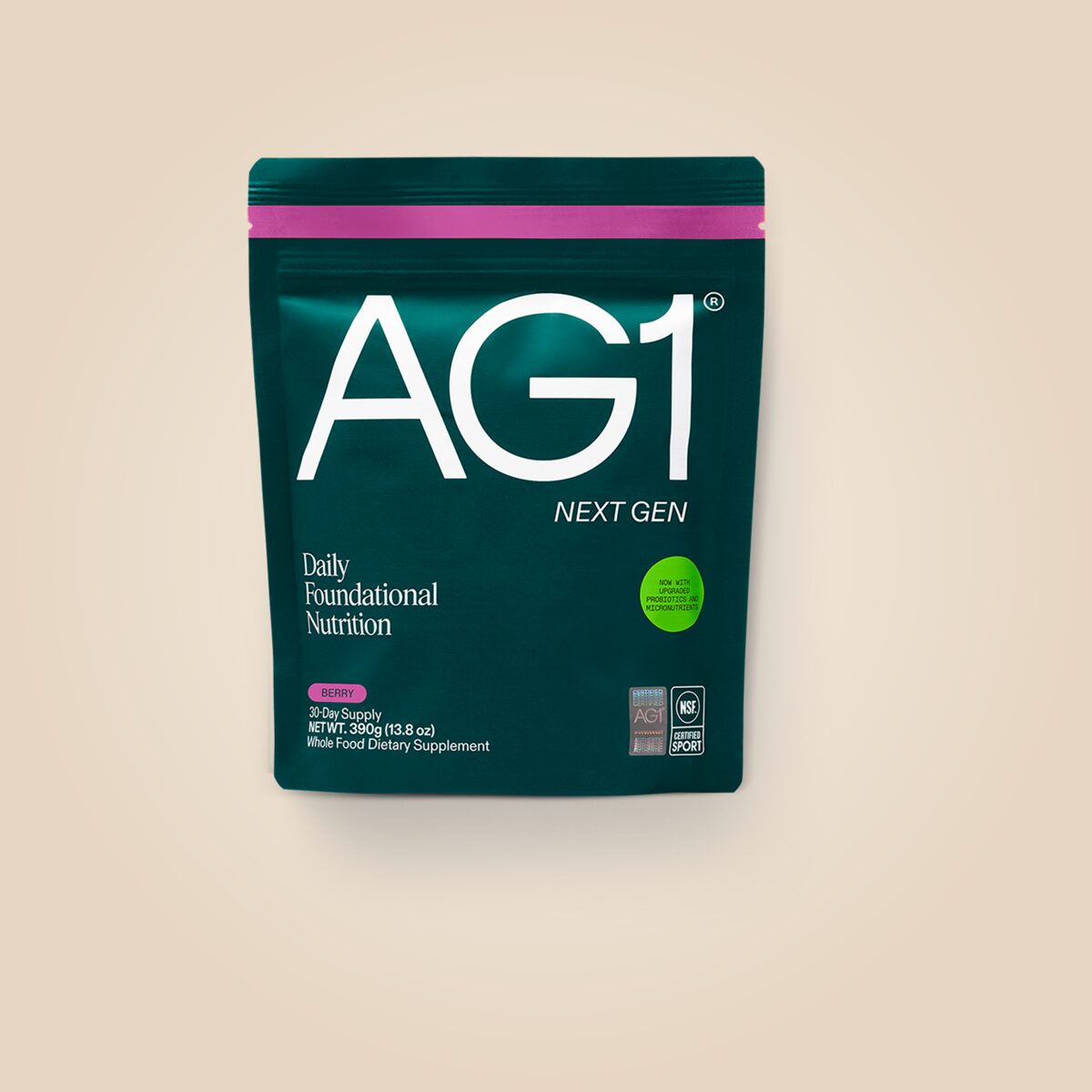
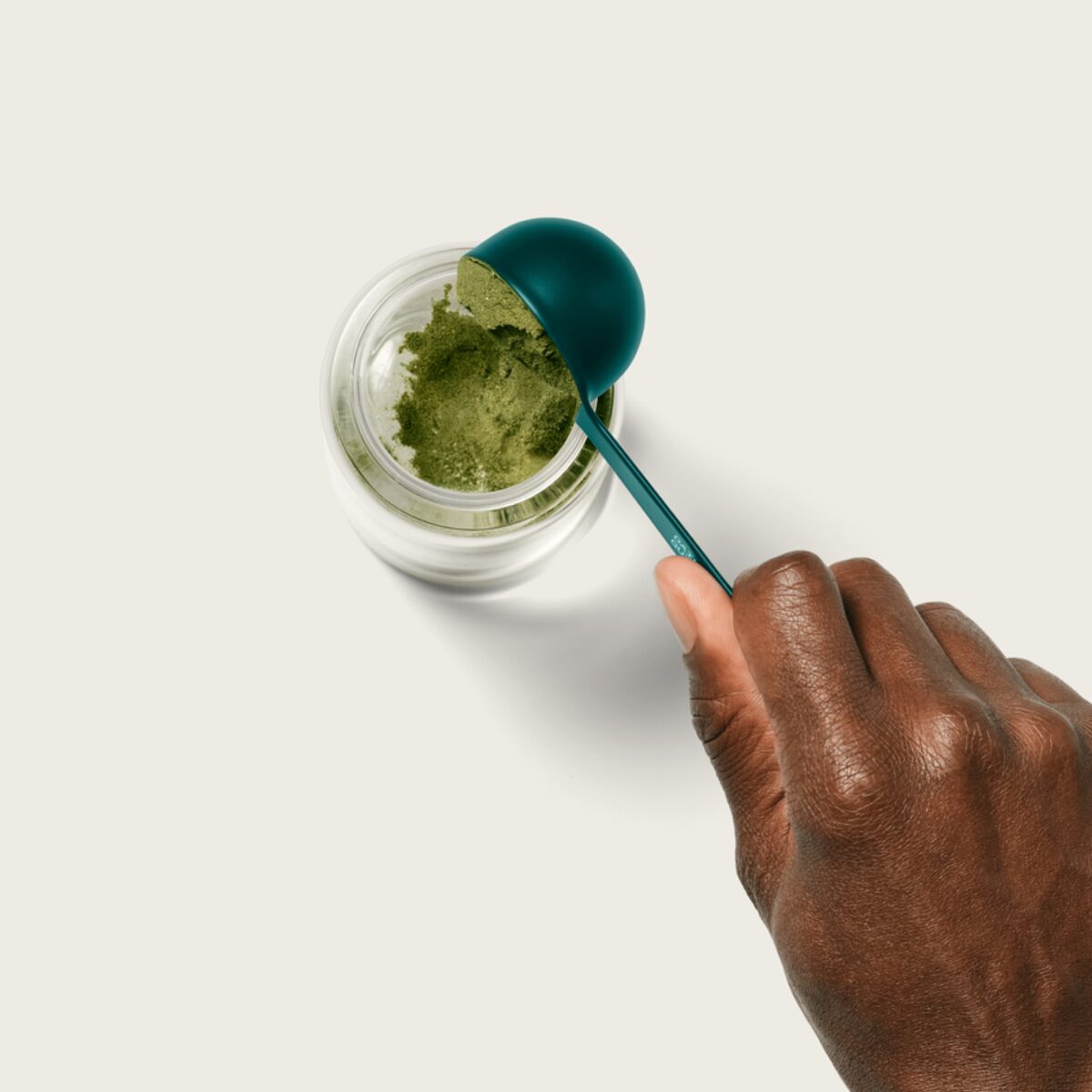
HealthStylz may earn a commission on purchases made through links on this page.
The numbers
One scoop uses 50% of the adult zinc limit; add a multivitamin and niacin passes its limit
AG1 has 20 mg of the 40 mg zinc limit. With the Centrum Adults example label, niacin reaches 36 mg against a 35 mg limit.
AG1 aloneAG1 + Centrum Adults (label entered 2021-11-19)
% of the adult upper limit (UL) · line marks the upper limit
- Zinclimit 40 mg 50%78%
- Niacinlimit 35 mg 46%103%
- Vitamin Climit 2,000 mg 25%25%
- Magnesiumlimit 350 mg 9%23%
- Vitamin B6limit 100 mg 5%7%
- Seleniumlimit 400 mcg 6%19%
Tap, hover or use the arrow keys on a row for the exact figure.
See the numbers
| Item | AG1 alone | AG1 + Centrum Adults (label entered 2021-11-19) |
|---|---|---|
| Zinc limit 40 mg | 50% | 78% |
| Niacin limit 35 mg | 46% | 103% |
| Vitamin C limit 2,000 mg | 25% | 25% |
| Magnesium limit 350 mg | 9% | 23% |
| Vitamin B6 limit 100 mg | 5% | 7% |
| Selenium limit 400 mcg | 6% | 19% |
Upper limits for adults 19 and older from NIH Office of Dietary Supplements fact sheets. The multivitamin is one example label from NIH's Dietary Supplement Label Database, entered 2021-11-19; check your own bottle. Sources: AG1 Next Gen Supplement Facts, captured 2026-10-11, NIH ODS fact sheets (zinc, niacin, vitamin C, magnesium, B6, selenium), NIH DSLD: Centrum Adults label.
AG1 says it replaces your daily multivitamin, probiotics, adaptogens, and more. Plenty of people take a multivitamin anyway. That is your call. The thing to know is that two products can stack the same nutrient. Here is how to check.
What is a UL?
UL stands for Tolerable Upper Intake Level. In plain words, it is the most you can take in a day without likely harm. The Food and Nutrition Board sets it. The NIH Office of Dietary Supplements shares the numbers, like on its zinc fact sheet.
Think of a UL as a ceiling, not a goal. You do not need to reach it. The chart above shows where AG1 sits on that ceiling for six nutrients, alone and with an example multivitamin.

One scoop of AG1 on its own
One level 13 g scoop, by the label, gives you this:
- Zinc: 20 mg. The adult UL is 40 mg, so that is 50%.
- Niacin: 16 mg. The UL is 35 mg, so that is about 46%. This UL counts niacin from supplements and fortified foods.
- Vitamin C: 500 mg. The UL is 2,000 mg, so that is 25%.
- Magnesium: 30 mg. The UL is 350 mg, so that is about 9%. This UL counts magnesium from supplements, not food.
None of these is over the line. Zinc is the one to watch. NIH says adults need 8 mg a day (women) or 11 mg (men). One scoop is already well above that.
Now add a multivitamin
Let us use an example. The Centrum Adults label sits in NIH's Dietary Supplement Label Database. That record was entered on 2021-11-19. Formulas change, so check your own bottle. This is only a dated example.
That label lists 11 mg of zinc and 20 mg of niacin. Add one AG1 scoop and you get:
- Zinc: 20 plus 11 is 31 mg. That is about 78% of the 40 mg UL.
- Niacin: 16 plus 20 is 36 mg. That is just over the 35 mg UL, about 103%.
Vitamin C, magnesium, vitamin B6 and selenium stay well under their limits in the chart.
What to do with that
Edging over a UL by a little is not an emergency. It is a good reason to pick one product, or to ask your pharmacist to look at both labels. Zinc deserves a closer look. NIH notes that long-term high zinc can lower copper status.
Want to see your own numbers? Type your multivitamin label into the AG1 cost and overlap calculator. It checks the overlap for you. To see everything else in a scoop, read what is in a scoop of AG1. Curious about the huge B12 number? We cover it in why AG1 has so much vitamin B12.
Check with your doctor first if...
- You take warfarin. AG1 has 90 mcg of vitamin K2. People on warfarin need to keep their vitamin K intake steady. Ask before you start or stop.
- You get lab tests. AG1 has 330 mcg of biotin. NIH says extra biotin can make some lab results read falsely high or low. Tell your lab and your doctor.
- You have a soy allergy. AG1 contains soy.
- You are pregnant or nursing. Ask your doctor before adding any new supplement, AG1 or a multivitamin.
One more note. The blend in AG1 also lists ashwagandha root extract, along with many other plants. The label does not show the amount of each one inside the blends. If you take other medicines, a pharmacist can help you check the full list.
The simple takeaway
You do not have to guess. Read both labels, compare zinc and niacin first, and choose one source if the total runs high. Our full AG1 review has the rest of the label and the price.