Healthy aging · Tips
Safe Lifting Mechanics for Grandparents
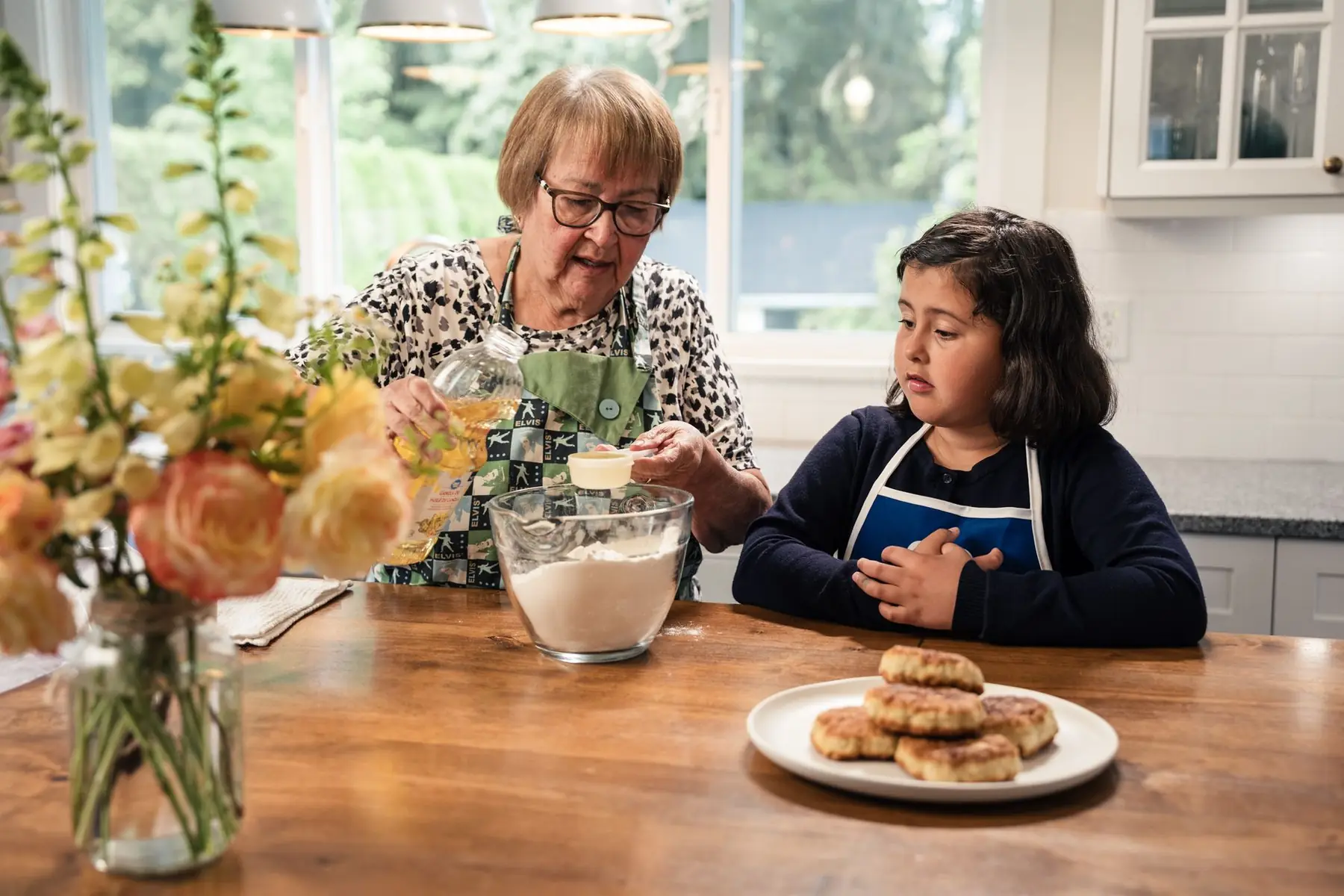
Bending at the knees and holding grandchildren close to the chest to protect the lumbar spine.
HealthStylz Editors
· 2 min read
The short version
- Prioritize functional strength and balance to protect daily independence.
- Adequate protein, hydration, and gentle movement protect bone and muscle mass.
- Staying socially active and intellectually curious promotes brain vitality.
Longevity Biomarkers
Grip Strength & Functional Reserve Profile
Grip strength is one of medicine's best markers for whole-body vitality and long-term independence.
- Muscular Reserve MarkerVitality indicator Strong grip
- Daily Independence TasksEffortless hand function Easy jar opening
- Sarcopenia DefenseMuscle mass preservation Protects mass
- Neuromuscular ToneMotor unit recruitment Active signaling
Source: The Lancet (Prospective Urban Rural Epidemiology Study) & ACSM.
Bending at the knees and holding grandchildren close to the chest to protect the lumbar spine. Aging gracefully is not about stopping the clock: it is about nurturing your body with the nutrition, movement, and environment required to remain strong, vibrant, and independent for decades to come.
The pillars of active longevity
Geriatric research emphasizes that muscle mass, bone density, and cardiovascular reserve are the primary predictors of independent living later in life. Consistent, low-impact exercise combined with protein-dense meals and fall-prevention home edits keeps you active and confident.
Staying connected and joyful
Physical health is deeply intertwined with emotional well-being. Maintaining strong bonds with family, neighbors, and community groups provides daily purpose, lowers resting blood pressure, and keeps cognitive faculties razor-sharp.