Drinks · Plain answers
Water, Tea, Milk or Juice? What to Drink Every Day
A simple guide to what goes in your glass, and what to keep as a treat.
HealthStylz Editors
· 3 min read
The short version
- Water is the best choice for most thirsts.
- Plain coffee and tea are healthy choices too.
- Keep juice to one small glass a day.
Antioxidant Infusions
Green Tea Catechins & Calm Focus Profile
How gentle polyphenols and natural L-theanine promote relaxed alertness without caffeine jitters.
- EGCG Antioxidant PowerPolyphenol free-radical defense High polyphenol
- L-Theanine Alpha Wave CalmSmooth cognitive focus Alpha brainwaves
- Gentle Metabolic PacingFat oxidation synergy +4% daily burn
- Blood Vessel FlexibilityEndothelial nitric oxide Flexible vessels
Source: American Journal of Clinical Nutrition & European Journal of Clinical Nutrition.
What you drink adds up over a day. Every sip is either helping or just adding calories. Here is a simple way to think about it, from the experts at Harvard and the CDC.
Water comes first
Harvard's Nutrition Source says water is the best choice for quenching your thirst. The CDC adds that water has no calories, so swapping it for a sugary drink can cut your calories. Water also helps keep your body temperature steady, cushions your joints and helps remove waste. Not enough water can cause dehydration. That can mean foggy thinking, mood changes, overheating, constipation and kidney stones.
How much do you need? The CDC does not give one number. It says it depends on your age, activity level, whether you are pregnant or breastfeeding, and more. Needs go up in hot weather, with exercise and during a fever. Fruits and vegetables with lots of water also add to your fluids.
Tea and coffee, without the sugar
Harvard says coffee and tea without added sweeteners are healthy choices. Try them plain, or with just a little sugar. Adding cream and sugar can turn a light drink into a treat.
Milk: one or two servings
Harvard suggests keeping milk and dairy to 1 to 2 servings a day. If you do not drink milk, ask your doctor or dietitian how to get enough calcium and vitamin D some other way.
Juice: small glass, not a big one
Harvard says to keep juice to about one small glass a day.
Sugary drinks: save them for rare days
Soda, sports drinks, energy drinks, fruit drinks, sweetened waters and sweetened coffee all have calories but little nutrition, says the CDC. Harvard says it is generally best to avoid them.
For kids, the American Heart Association says to keep sugary drinks to no more than 8 ounces a week for ages 2 to 18. The Dietary Guidelines say babies and toddlers under 2 should not have drinks with added sugars.
What about diet drinks? The CDC says they likely contain strong sweeteners. They may lower calories in the short run. Whether they help with weight over the long run is not clear.
A simple day of drinks
- Morning: a glass of water, then coffee or tea with little or no sugar.
- Lunch: water, or milk for the kids.
- Afternoon: a bottle of water with lemon, or iced herbal tea.
- Dinner: water on the table for everyone.
- Now and then: a small glass of juice, or a soda at a party.
You do not have to be perfect. Think of water as your default, and the others as extras you pick on purpose.
Easy ways to drink more water
- Carry a reusable bottle.
- Freeze water in a freezer-safe bottle so it stays cold all day.
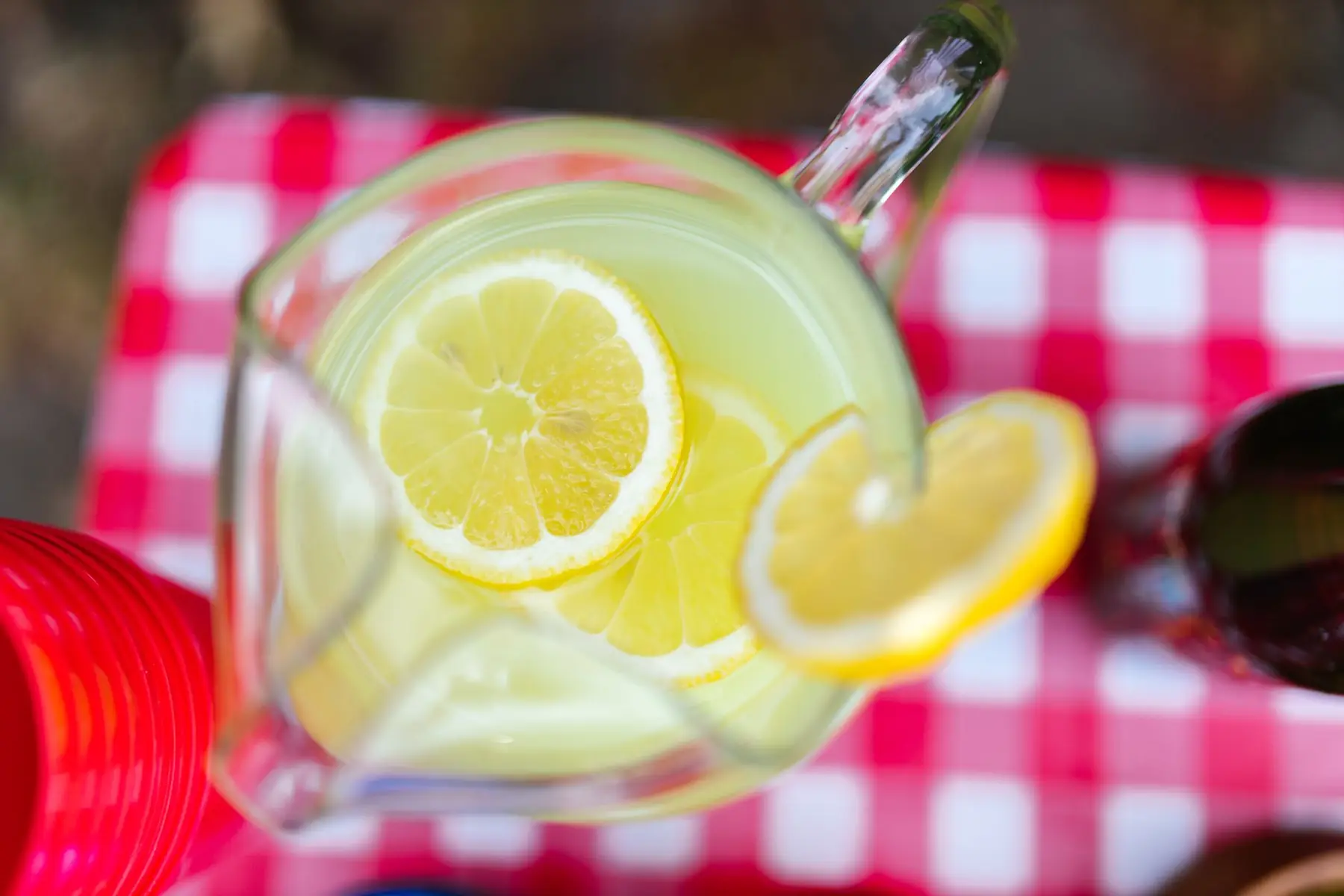
- Put a wedge of lemon or lime in your glass.
- Serve water with meals and order it when you eat out.
Harvard also suggests seltzer, herbal tea, or water with citrus or cucumber for flavor. Check with your doctor first if you have kidney disease, heart failure or any condition where your doctor has told you to limit fluids.