Healthy aging · Plain answers
The MIND diet in plain words
A simple way of eating that puts berries, leafy greens, beans and nuts on your plate. It is built for brain health.
HealthStylz Editors
· 3 min read
The short version
- MIND mixes the Mediterranean and DASH diets.
- Eat leafy greens, berries, beans, nuts, fish and whole grains.
- Go easy on red meat, sweets, fried food and butter.
As of Jul 24, 2026: Top Foods for Better Brain Health. Cleveland Clinic News Service
Brain Longevity
Cognitive Longevity & MIND Diet Profile
Specific berry polyphenols, leafy greens, and healthy fats that protect memory and brain tissue.
- Berry AnthocyaninsHippocampus protection 2+ cups berries/wk
- Leafy Green Lutein & FolateCognitive youth marker 1 cup daily
- Cerebral Blood FlowArterial compliance Smooth flow
- Cellular Oxidation ShieldBDNF neurotrophic support Cell defense
Source: Alzheimer's & Dementia Journal (Rush University MIND Diet Studies).
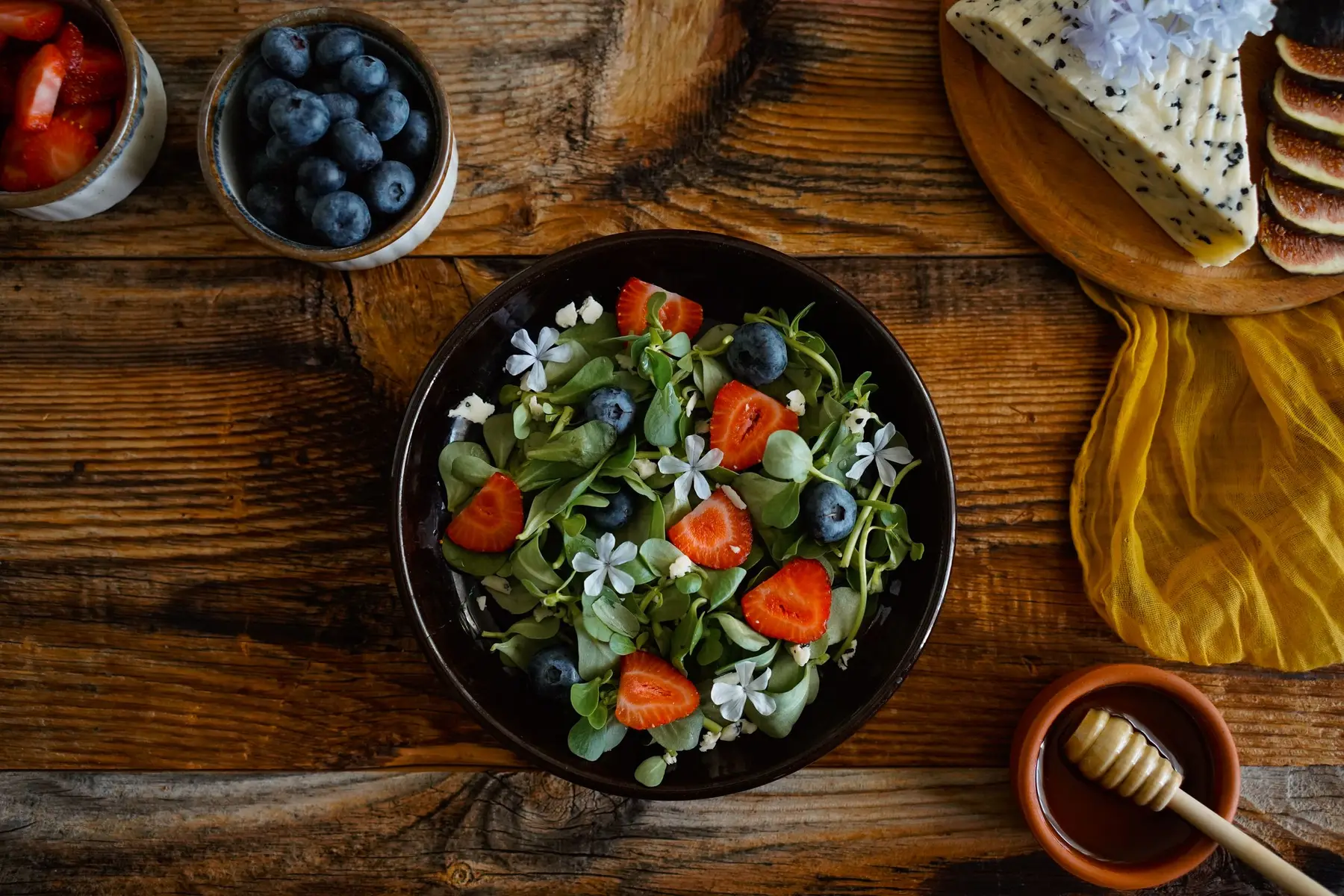
MIND sounds complicated. It is not. It is a way of eating that mixes two well-known diets: the Mediterranean diet and the DASH diet. The name MIND stands for a long phrase about slowing brain decline. The goal is to support your brain as you get older.
What is new
In late July, Cleveland Clinic shared a list of top foods for brain health. The MIND diet was the star. The doctor quoted says it has been linked in research to a lower risk of Alzheimer's disease. The foods named were berries, leafy greens, whole grains, beans, nuts, fish and poultry.
What to eat
Cleveland Clinic's dietitian gives weekly targets from the MIND plan:
- Leafy greens: 6 or more servings a week. Think kale, spinach and arugula.
- Other vegetables: at least 1 serving a day.
- Berries: at least 2 servings a week.
- Whole grains: at least 3 servings a day.
- Beans: 4 or more servings a week.
- Nuts: 5 or more servings a week.
- Fish: at least 1 serving a week. Fatty fish is preferred.
- Poultry: at least 2 servings a week. Choose skinless breast.
- Olive oil: use extra-virgin olive oil as your main cooking oil.
Eggs are allowed. Wine is optional. If you do drink, the plan says a dry red, no more than one glass a day.
What to limit
Cleveland Clinic says to go easy on red meat, butter and stick margarine, cheese, pastries and sweets, and deep-fried and fast food. The July story adds ultra-processed foods. These are packaged foods high in salt, saturated fat, unhealthy oils and sugar. You do not have to give up treats. Keep them occasional.
How strong is the proof?
Be honest with yourself here. Cleveland Clinic calls the MIND research promising. But it also says the Mediterranean and DASH diets have been studied more. And studies on food habits show a link, not proof. Also, food is only one piece. The July story also lists regular exercise, good sleep and stress care as part of brain health.
The plan is flexible. Cleveland Clinic says moderate effort still gives benefits. You do not have to be perfect.
Easy ways to start
- Add a handful of spinach to your eggs or soup.
- Keep frozen berries for oatmeal and yogurt.
- Swap one red meat dinner a week for fish or beans.
- Snack on a small handful of nuts.
- Cook at home more often. The doctor in the July story says to use whole, minimally processed foods.
A sample day
Breakfast: oatmeal with berries and a handful of nuts. Lunch: a big salad of leafy greens with beans and olive oil. Dinner: baked fish or chicken breast with vegetables and brown rice. It is simple, and you may already eat many of these foods.
Go slow on the fiber
MIND is high in fiber. Cleveland Clinic suggests adding about 5 grams of fiber a week, to avoid bloating and gas. Drink plenty of water too.
One small thing to try
This week, add one serving of leafy greens and one serving of berries to your day. Next week, add a bean meal.
Check with your doctor or a dietitian before big diet changes. Cleveland Clinic suggests asking a healthcare provider about personal changes.