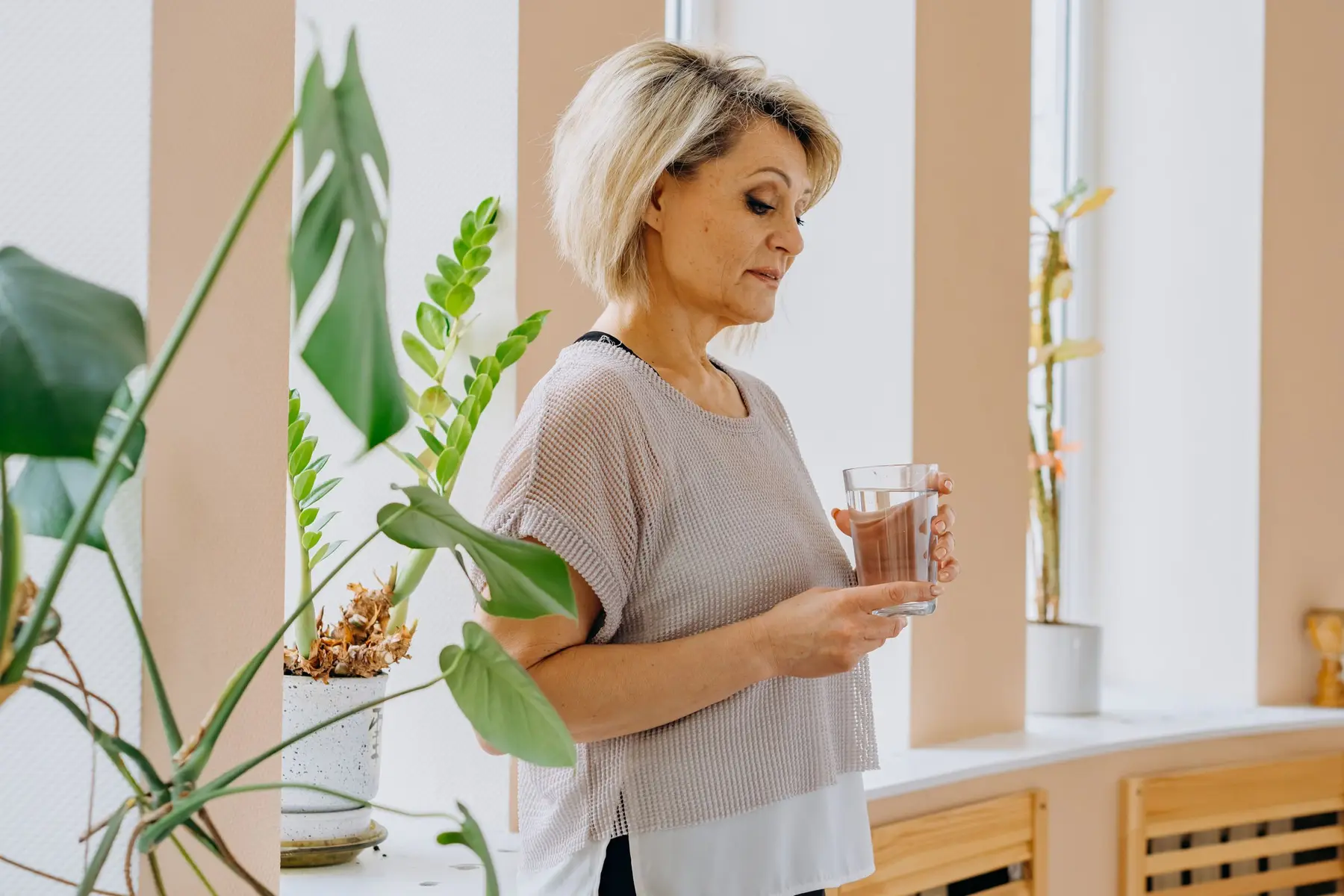
Healthy aging · Tips
Staying Hydrated as We Get Older
Thirst can fade with age. Here are easy habits that keep you drinking enough.
HealthStylz Editors
· 3 min read
The short version
- Thirst can fade with age, so drink on a schedule.
- Pale yellow urine is a simple check.
- Soups and fruit count toward your fluids.
Healthy Longevity
Healthy Longevity & Mobility Milestones
Daily evidence-backed targets that keep muscles strong, joints supple, and minds sharp.
- Balance & Fall PreventionCoordination confidence 88/100
- Muscle Protein DistributionCellular renewal threshold 25g / meal
- Joint Ease & FlexibilitySynovial circulation 85/100
- Cognitive VitalityNeuroplasticity support 92/100
Source: National Institute on Aging & Tufts University Human Nutrition Center.
Here is a surprise. As we age, we may not feel thirsty even when our bodies need water. MedlinePlus, the National Library of Medicine's health site, says some people lose their sense of thirst as they get older. So they do not drink enough. Harvard Health says an estimated 40 percent of seniors are underhydrated, and adults 65 and older have the highest hospital rates for dehydration. Dehydration means your body has too little water.
How much is enough?
The NHS gives a simple guide: 6 to 8 cups or glasses of fluid a day. You may need more if it is hot, if you are active for a long time, or if you are sick. MedlinePlus says needs differ from person to person, so ask your doctor how much is right for you. The NHS lists water pills (diuretics) as one thing that raises the risk of dehydration, so mention any you take.
A simple check
Look at your urine. The NHS says aim for a clear, pale yellow. Dark yellow urine is a hint to drink more.
Signs you may be low on fluids
- Thirst or a dry mouth
- Dark urine, or peeing less than usual
- Headache or tiredness
- Dizziness or light-headedness
Easy habits
- Drink on a schedule. Harvard Health suggests setting up regular drinking routines. Have a glass with each meal, and one when you wake up and when you take your pills.
- Make water taste good. Harvard Health says flavoring helps. Try a slice of lemon, orange or cucumber, or a few berries.
- Eat your water. The NHS lists soup, melon, jelly and ice cream as foods with a lot of water. Fruits and veggies help too.
- Keep a drink in reach. A water bottle by your chair is hard to forget.
- Make it social. The NHS suggests making drinking a shared moment. Have tea with a friend.
- Go easy on sugary drinks and caffeine. MedlinePlus says to limit them.
What counts as a drink?
The NHS says water, lower-fat milk and lower-sugar drinks are the healthiest choices. Tea, coffee and fruit juice also count toward your fluids. Juice and smoothies are sugary, so the NHS says to keep them to one small glass (150 ml, about 5 ounces) a day. MedlinePlus says to limit sugary drinks and caffeine.
Hot days and sick days
MedlinePlus says to drink extra fluids in hot weather, when you exercise and when you are sick. If you cannot keep liquids down, try small sips of water or ice chips. Sports drinks can help if you lose a lot of minerals in sweat, but some have a lot of sugar.
If you help care for someone
The NHS has tips for people who may not notice how little they drink. Offer a drink with every meal. Serve soup. Keep a glass within easy reach. Make drinking social, like a cup of tea together.
When to get help
Call your doctor the same day if you feel very tired or drowsy, dizzy when you stand up and it does not pass, or you pass very little dark urine. Get emergency help right away for confusion, fainting, a very fast heartbeat or fast breathing, or no urine. Dehydration can be serious in older adults.