Family · Tips
Getting Kids to Drink More Water
Many kids would rather have juice or soda. These easy tricks help water win, without a fight.
HealthStylz Editors
· 3 min read
The short version
- Water and milk are the best drinks for kids.
- Make water easy to reach, cold and fun.
- Keep juice small and with meals.
As of Jul 20, 2026: Solid Foods in Early Care and Education: Tips for ECE Providers (CDC)
Family Wellness
Family Mealtime Harmony & Nutrition Balance
Approachable nutrition and connection goals that work for busy households.
- Rainbow Plate DiversityNatural food colors 4 colors/day
- Digestive Fiber ProgressWhole grain and produce intake 75% of target
- Screen-Free Dinner TimeMindful family connection 25 min
- Low-Pressure Food ExposurePicky eater comfort 90/100
Source: American Academy of Pediatrics & Academy of Nutrition and Dietetics.
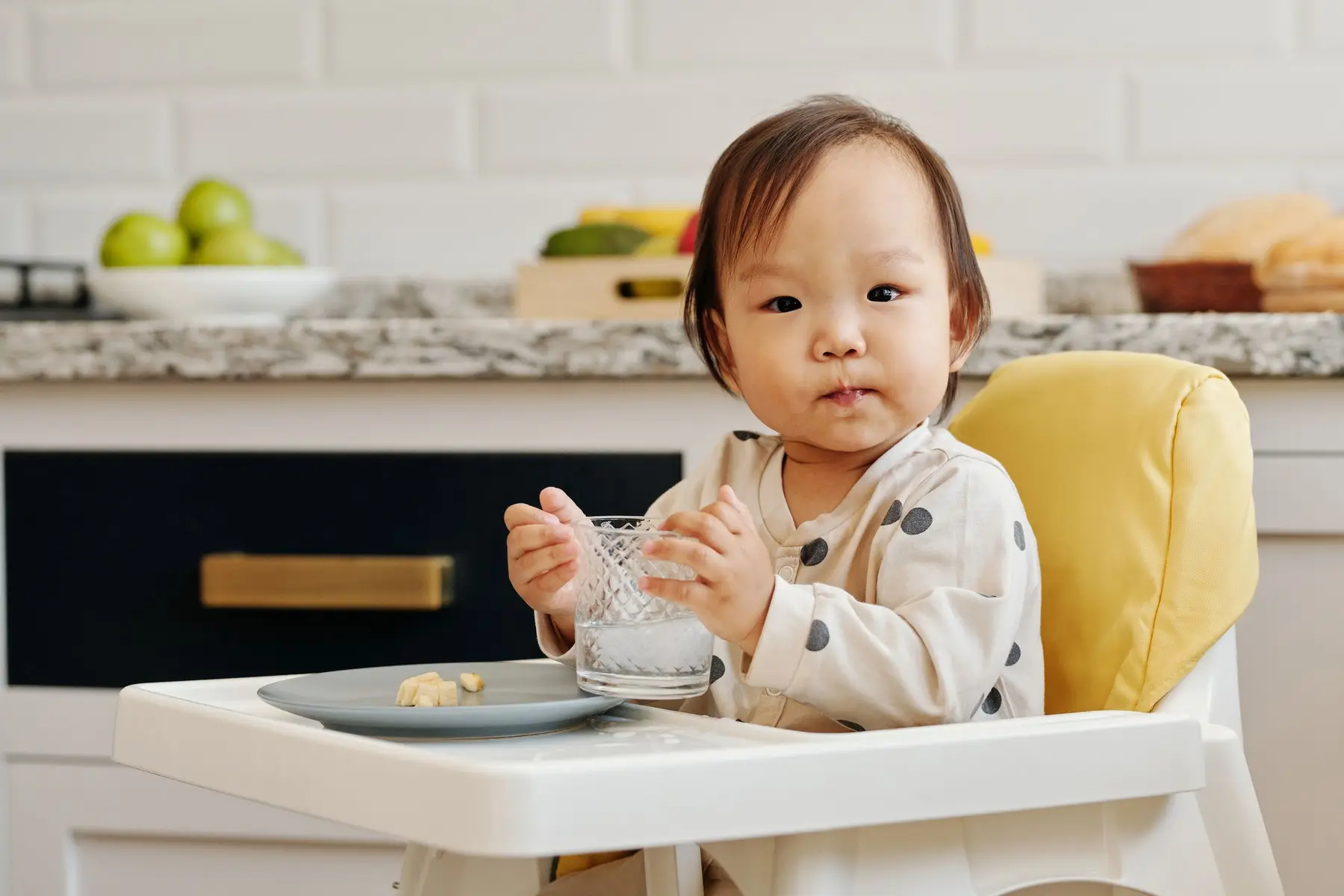
If your child asks for juice every time they are thirsty, you are not alone. Sweet drinks taste good, and they are often the first thing offered. But water is the best drink for a thirsty kid. It has no sugar and costs almost nothing. Here is how to help water become the easy choice.
What the experts say
The NHS in the UK says water and milk are the best drinks for children. It says children who drink a lot of sugary drinks are more likely to become overweight, and the added sugar can damage teeth. It says to avoid sugary fizzy drinks, squash and juice drinks, and to keep fruit juice and smoothies to one small glass (150 milliliters, a bit over half a cup) a day, with a meal.
In July 2026, the CDC shared a guide for child care providers. It says to encourage water and avoid drinks with added sugar and drinks with caffeine for children. It says to hold off on juice before 12 months, and to limit 100 percent juice after that. For babies 6 to 12 months old, the CDC says 4 to 8 ounces of water a day.
How much do kids drink now? The CDC says children and teens in the U.S. drank an average of 23 ounces of plain water a day in 2015 to 2018. Adults drank 44 ounces. The CDC says how much water a person needs depends on age, activity and other things, so there is no one number for every child.
Ten ways to get more water into your kid
- Make it easy. Keep a full bottle in the car, the backpack and on the kitchen counter. Kids drink what is in front of them.
- Let them pick. Take them to choose a bottle with a favorite color or character. A straw can make it more fun.
- Make it cold. The CDC suggests freezing water in a freezer-safe bottle, so it stays icy all day. Check that it is safe to freeze first, and leave room at the top.
- Add a slice. The CDC says a lemon or lime wedge works. Try cucumber slices, orange rounds or a few berries too.
- Serve water with meals. The CDC suggests it. Put a water pitcher on the table so it is the default.
- Lead by example. Kids copy you. Pour yourself a glass when you pour theirs.
- Make a sip routine. A glass when they wake up, one after school and one with dinner adds up.
- Try a chart. Stickers for each bottle emptied can work for younger kids.
- Go slow with sweet drinks. Stop buying soda and fruit drinks, so they are not in the house. Offer water or milk instead. Switch gradually if your child is used to sweet drinks.
- Offer water-rich foods. Watermelon, cucumber, oranges and strawberries are juicy snacks that also add fluid.
Do not make it a battle
If your child says no, stay calm and try again later. Pushing can make kids dig in. Keep offering water in a friendly way. Taste buds change, and kids often come around after many tries.
Check with your doctor if
Your child will not drink anything for several hours, has a dry mouth, makes very little pee, or seems very tired or sick. Also ask your doctor about drinks for babies before offering anything other than breast milk or formula.