Weight loss · Plain answers
Weight-loss shots: keeping your muscle and eating well
Weight-loss medicines can shrink your appetite. Protein, strength moves and water help you lose fat and keep your strength.
HealthStylz Editors
· 3 min read
The short version
- Fast weight loss can take some muscle along with the fat.
- Eat protein first and lift or push something two to three times a week.
- Sip water all day and ask your doctor about your plan.
Metabolic Nutrition
Protein Pacing & Lean Mass Protection Profile
Adequate mealtime protein burns calories during digestion and protects calorie-burning muscle.
- Thermic Effect of FoodDigestive calorie burn +25% burn
- Satiety Hormone TriggerGLP-1 and PYY elevation 4.5 hrs full
- Active Muscle DefenseResting metabolic protection Saves muscle
- Ghrelin Hunger SuppressionAppetite suppression -30% ghrelin
Source: American Journal of Clinical Nutrition & Obesity Reviews.
Weight-loss shots like Ozempic and Wegovy are in the news a lot. They are called GLP-1 medicines. They can make you feel full fast, so you may eat much less. That helps the scale move. But when you eat less, your body needs a plan to keep your muscle strong.
Why muscle matters
Muscle helps you climb stairs, carry groceries and stay steady on your feet. Cleveland Clinic explains that losing a lot of weight fast can lead to muscle loss, especially if food and exercise are not part of the plan. Its article says the medicine itself is not the cause. The muscle loss comes from the weight loss. One expert quoted in the article works for the maker of these drugs, and the article says so.
A review from May 2026, hosted by the NIH, focuses on how to protect muscle and bone during treatment with these drugs. Its advice is the same: eat enough protein, do strength work, and have your progress checked. It also says to track how you move, such as how fast you walk and how easily you rise from a chair.
Step 1: Eat protein first
Cleveland Clinic says to eat protein first at every meal. The shots can lower hunger, so you want your small meals to count. Good picks include chicken, fish, eggs, Greek yogurt, cottage cheese, beans and lentils.
How much? Cleveland Clinic gives a general guide of 0.8 to 1 gram of protein per kilogram of body weight each day. That is about 0.4 to 0.45 grams per pound. The NIH-hosted review says many guides for people on these medicines suggest more, often 1.2 to 1.5 grams per kilogram. That is about 0.55 to 0.7 grams per pound. The experts do not fully agree, and your needs depend on your age, size and health. A dietitian can set a target that fits you.
Step 2: Move your muscles
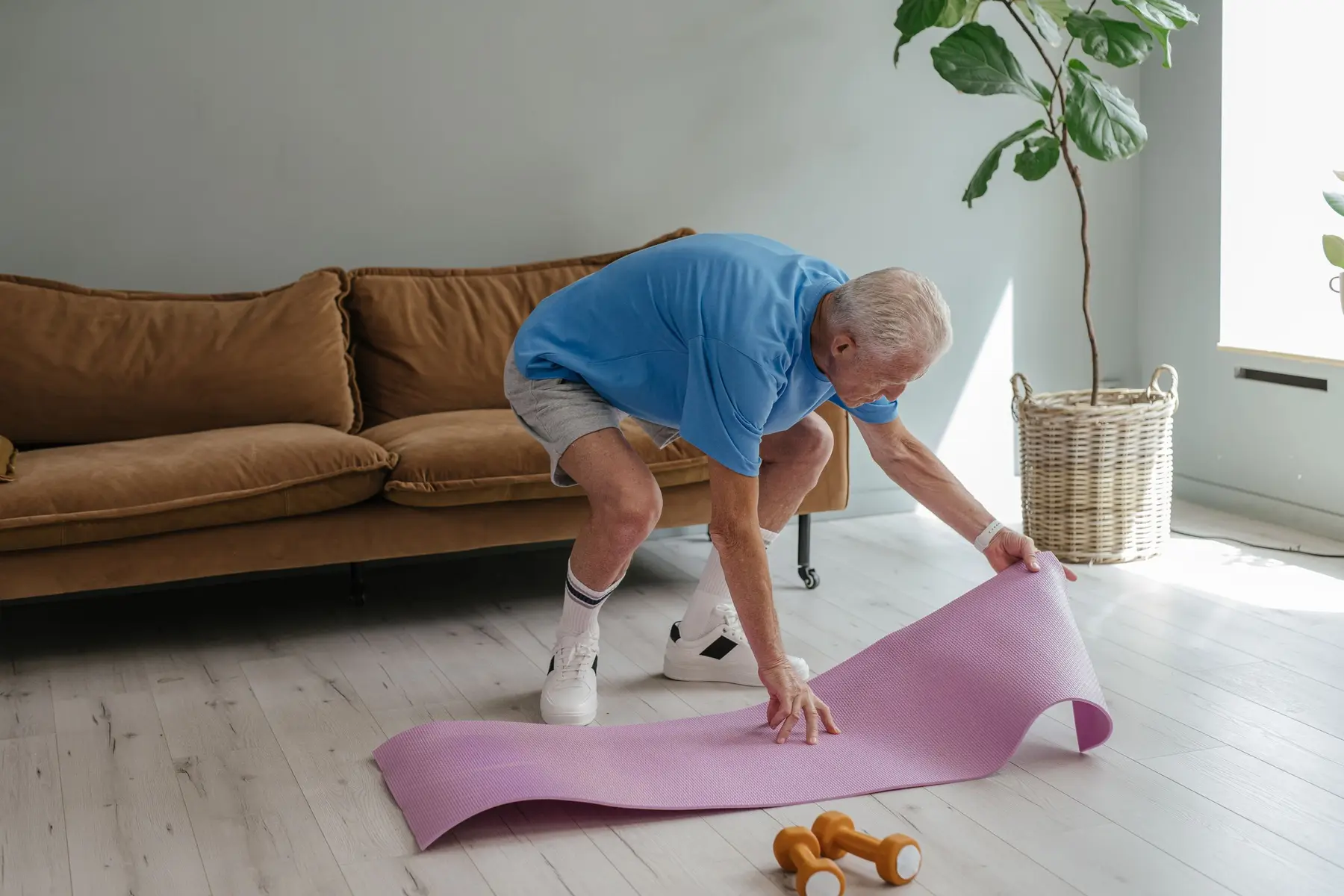
The review suggests strength training at least two to three days a week. Cleveland Clinic says resistance bands or weights both work. Be patient. With steady training, muscle may start to grow within two to three months.
Cleveland Clinic also suggests about 150 minutes of moderate activity each week. Brisk walking counts. If you are not used to exercise, start with 10 to 15 minutes of light activity a day. Build up slowly. Take it easy in the first weeks on the lowest dose.
Step 3: Keep sipping
These medicines can lower your thirst. Cleveland Clinic says to stay hydrated. It cites about 2.1 liters (73 ounces) a day for women and 3.1 liters (100 ounces) for men from the Academy of Nutrition and Dietetics. Your needs change with your activity and the weather.
Go slow if you can
Cleveland Clinic notes that losing weight more slowly gives your body time to adjust. It can also make side effects like nausea easier to handle.
One small thing to try
Pick one protein for every meal this week. Then add two short strength sessions, like wall push-ups, chair stands or band rows.
Talk to your doctor and a dietitian about your plan. Stop exercising and call your care team if you feel dizzy, sick to your stomach or short of breath. Cleveland Clinic says these can be signs of low blood sugar. If you also take diabetes medicine, ask whether you need to check your blood sugar more often.