Written in 2017, 9 years ago. Food science changes, so check newer advice before you change your routine.
Nutritional Balance
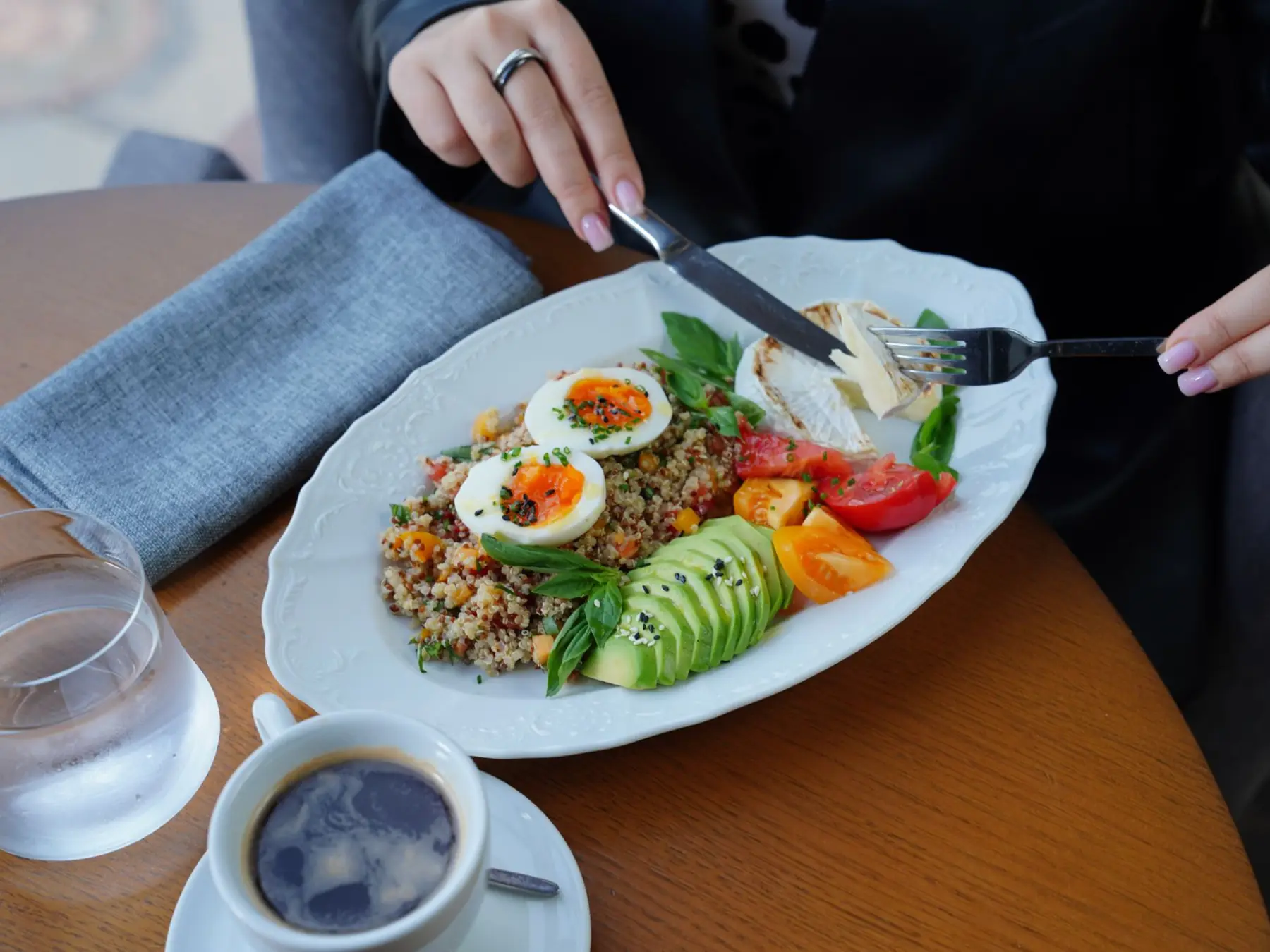
Balanced Meal Nutrition Profile
Estimated nutrient density and satiety balance per serving against daily wellness targets.
- Dietary Fiber SupportDigestive wellness 38% daily goal
- Satiety DurationFullness without crashes 4.5 hours
- Blood Sugar StabilityLow glycemic curve Steady curve
- Prep SimplicityWeeknight ease Practical prep
Source: Harvard T.H. Chan School of Public Health & USDA Dietary Guidelines.
In our household, National Sourdough Bread Day, on April 1, reminds us to be generous. My mom’s habit of giving a loaf of sourdough bread to new neighbors or someone needing comfort became a family tradition.
Bread makes a practical and edible gift, but offering someone a scoop of sourdough starter promises them a future of fresh-baked treats. Our 10-year-old starter has made more than 1,000 loaves of bread for meals, parties and gifts. Keeping starter alive and healthy takes minimal effort and gives our family a nutrient-rich, flavorful ingredient for making sandwich bread, baguettes, buns, pizzas and more.
Why Use a Starter?
Starters are complex yeast-based ingredients that make bread products rise. The store-bought alternative, packaged dry or instant yeast, relies on a monoculture yeast (Saccharomyces cerevisiae) bred to speed up carbon dioxide production for fast or mass-produced dough. While this yeast offers convenience, starters create more flavorful breads with better structure: think crusty texture and chewy density: and a longer shelf life, without using additives or preservatives.
Combining flour and water, key starter ingredients, initiates fermentation of lactic and acetic acid and other compounds from specific yeast and bacteria strains, already present in the flour. When starter-based bread is left to rise over multiple days, these microbes affect nutrient content and even digestibility because the extended process provides more gluten-consuming opportunity. Such breads tend to be digested slower and can result in a lower glycemic response than fast-rise breads.
Starting with Starter
Starter recipes can include a wide range of grain-based flours or liquids such as pineapple juice and can follow complicated feeding steps. Our family opts for this simple approach:
Day 1: In a glass bowl, stir together 1 cup high quality all-purpose, unbleached flour and about 1 cup filtered or bottled water: the resulting mixture and texture should look like a thick pancake batter. Cover with cheese cloth or a tea towel for 24 hours and store at room temperature or slightly warmer: starter tends to like temperatures in the 70s.
Days 2-7: Each day, discard half the starter. Replace it with a similar volume of half flour, half water, and stir to combine. Note that the starter will begin to bubble, produce sour odors and increase in size: evidence of bacteria competition, feeding and yeast activity.
From Little Beasties to Bread
Within seven to 10 days of starting this microorganism throw-down, the goopy, burping starter is ready for bread-making when it begins to noticeably increase in size between feedings. If an increase isn’t apparent, start feeding it with 50 percent more of the flour-water mix when you discard half the starter.
When making bread, use recipes that call for starter until you learn the ratios that work best for you. After using your starter in a recipe, feed it again and store it in the refrigerator to control the fermentation. If it becomes too active (warm or hungry), the microbes can go rogue and explode.
The starter can last as long as you feed it: as I mentioned, ours is more than 10 years old. Some bakers travel with their starter or hire a sourdough sitter to feed it, but healthy starters can last a couple weeks in the fridge without feeding, allowing you a yeast-free vacation and, upon your return, fresh bread to cushion the fall back into daily life.
Michele RedmondMichele Redmond, MS, RDN, a registered dietitian nutritionist and French-trained chef, teaches and consults on the topics of culinary nutrition, gastronomy, taste literacy and how culture affects food enjoyment and health. She directs The Taste Workshop and periodically conducts taste workshops at Le Cordon Bleu in Paris. Read her blog, Le Blog, and connect with her on Pinterest, Twitter , Instagram and Facebook.